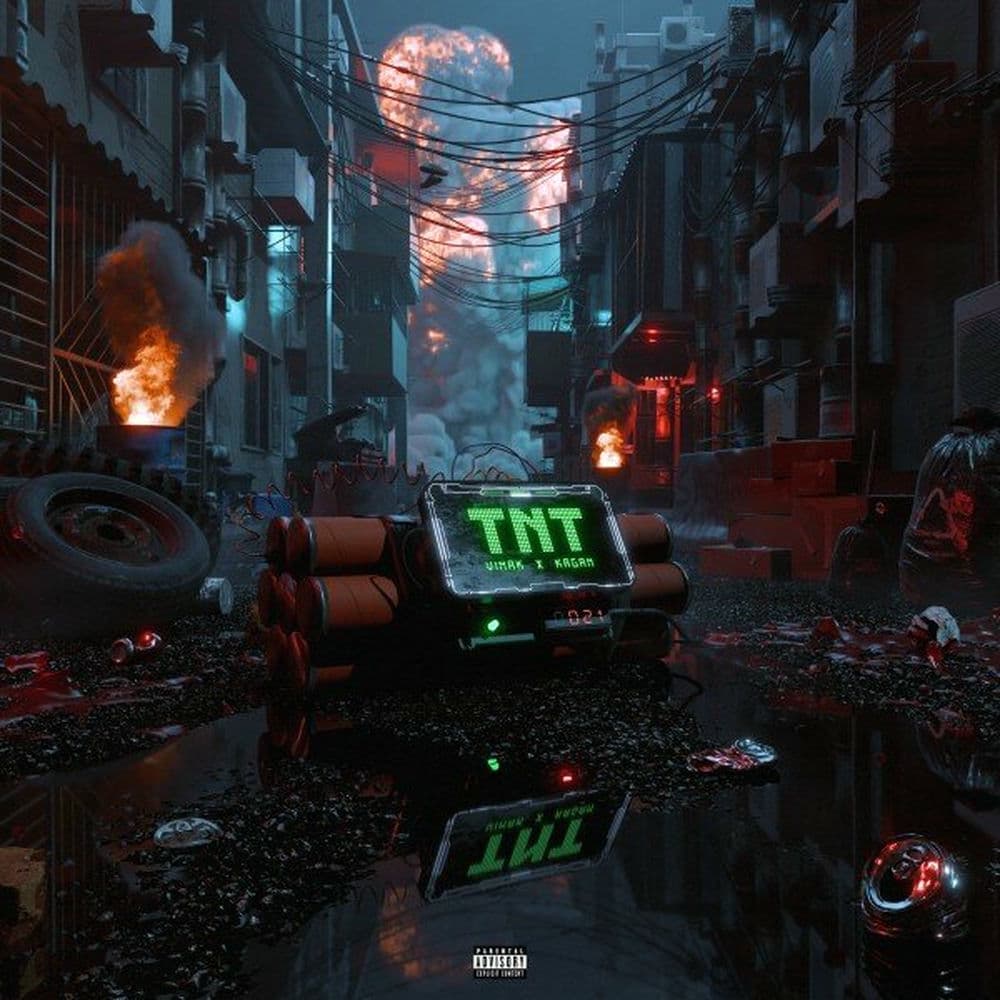
1) خلاصه آهنگ «تهران» اثر ویناک، سرودی سرکش و متکی بر ریشههای شهری است که صعود از اعماق یک فضای رقابتی بیامان را روایت میکند. راوی با اطمینانی تمام، جایگاه سختکسبشدهی خود را اعلام میکند، در حالی که ارواح گذشته و دوستان نمایشی را پشت سر میگذارد و در خیابانهای پر پیچ و خمِ بلندپروازی حرکت میکند. این ترانه، با تصاویر سینمایی و تیز، تناقض موفقیت را کاوش میکند: همزمان با به ارمغان آوردن شناخت و قدرت، درگیری، بدبینی و فشارِ باقی ماندن اصیل را نیز به دنبال دارد. کُروس، مانند یک جملهی تلقینی عمل میکند و پیشنهاد میدهد که ریتم شهر – ملودی آن – اکنون با خودِ کشمکش عجین شده است. 2) تمهای اصلی - صعود و جایگاه: روایت اصلی ترانه، یک بالا رفتن است. عبارت تکراری «رسیدم بالا» کل اثر را به عنوان یک بیانیهی ظهور قاب میکند. این فقط مسئلهی ثروت نیست؛ بلکه دربارهی نفوذ، احترام و جایگاهگیری در یک دنیای رقابتی است. - بقا و درگیری شهری: ترانه تصویری از یک محیط خشن ترسیم میکند که در آن وفاداری نادر و رویارویی اجتنابناپذیر است. عباراتی مانند «دعوا» و «خیابونی» بر این واقعیت تأکید دارند که موفقیت در زمینی خشن به دست میآید. - اصالت در برابر سطحینگری: راوی خطی روشن بین خود و افراد سطحی میکشد. او به کسانی که بدون پشتوانه، چهرهای خشن به خود میگیرند («تورو چه به لاتی واقعا») طعنه میزند و پیوندهای اصیل را بر شهرتِ گذرا ارجح میداند. - وفاداری و خیانت: یک جریان ثابت از آزمون وفاداری در ترانه وجود دارد. راوی شنونده را به چالش میکشد و میپرسد که چه کسی فراتر از موسیقی، او را واقعاً میشناسد و این را با درد دیدن یک عشق سابق در کنار شخصی دیگر مقایسه میکند. - برتری هنری: نخِ قدرتِ رقابتی، سرتاسر ترانه را در بر گرفته است. راوی هنر خود را یک «معجزه» میخواند و رقبا را «متوسط» میشمارد و مهارت خود را عامل تمایزش میداند. 3) روایت / گوینده گوینده، شخصیتی خودساخته است که از پیچیدگیهای اقتصادی و اجتماعی تهران عبور کرده تا به جایگاهی از قدرت برسد. او با اقتداری سخن میگوید که حاصل تجربهی زیرورو شدنِ بطن شهر و فهمیدن قواعد آن است. روایت او خطی نیست؛ بلکه مجموعهای از خاطرات و اظهاراتِ زمان حال است. او از بازتاب گذشته («قدیمیا همه رفتنا») به رویارویی با خیانتهای حال («میبینی اونی که عاشقشی خوابیدهبود با من») و سپس به صدور هشدارهای آینده میپردازد. او همزمان محصول و چالشگرِ محیط خود است و از موفقیتش به عنوان یک سلاح و یک سپر استفاده میکند. تکرار کُروس نشان میدهد که او در حالتی از آگاهیِ افزوده به سر میبرد، جایی که هرجومرج شهر، آتشِ خلاقیت و رقابتش را تغذیه میکند. 4) استعارهها و تصویرسازی - قله: «رسیدم بالا» استعارهی اصلی ترانه برای موفقیت و عبور از موانع است. این عبارت یک صعود دشوار و جایگاهی متزلزل را القا میکند. - شهر به مثابه میدان جنگ: تصویر «کارامون زیر زره» و «دعوا»، دنیای حرفهای و شخصی را به عنوان منطقهای جنگی به تصویر میکشد که نیازمند دفاعی دائمی است. - کلاه اسنپبک: «پشتت و وا کنم مثل کلاه اسنپ بکُ» تصویری زنده از وارونه کردن شرایط و سلطه است که از یک آیتم رایج پوششی برای نمادسازی تغییر وضعیت به نفع خود استفاده میکند. - مار و گل: خط «نژادش عوض میشه چند مدل هر سری» یک موجود افسانهای و تغییرشکلدهنده را تداعی میکند که نشاندهندهی ماهیت همیشه در حال تغییر رقبا و خودِ صحنه است. اشاره به «گل» در خطوط بعدی، لایهای از زیبایی و خطر را به آن میافزاید. - ملودی در چشمان: عبارت رازآلود و تکراری «چشام وامیشه ملودی میاد سرم» حالتی از خلسهی خلاقانه را پیشنهاد میدهد. انرژی شهر فقط یک سر و صدا نیست؛ بلکه یک آهنگسازی است که تنها او میتواند بشنود و کانال کند. 5) ابهام / زیرمتن راز اصلی در کُروس نهفته است: این «ملودی» چیست؟ میتواند صدای شهر، ریتم درگیری یا یک جرقهی خلاقانهی واقعی باشد که در لحظات تنش به سراغش میآید. خط «دیگه لای جک و جیا میشه دعوا سرم» مبهم است و احتمالاً به یک حلقهی خاص یا نمادی کلی از صنعت اشاره دارد. زیرمتن آن میگوید که راوی آنقدر ارزشمند شده که اکنون به نقطهی اختلاف تبدیل شده است، جایزهای که بر سر آن میجنگند. عبارت تکراری «نمیزارن نرم» ترسی عمیق از از دست دادن برندگی را آشکار میکند. این یک مانتوی خودحفاظتی در دنیایی است که بیرحمی را پاداش میدهد. موفقیت راوی را منزوی میکند؛ برایش دشمن میتراشد و حتی فضاهای صمیمی (مانند یک رابطه) را به عرصههای درگیری تبدیل میکند. 6) لحن و حالوهوا حالوهوا ترکیبی ناپایدار از پیروزی، بدگمانی و انعطافپذیریِ خسته است. آهنگ با لحنی تهاجمی و مطمئن اجرا میشود، با هیبتی که میگوید: «من این را به دست آوردهام.» در خطوط مربوط به خیانت و تقلبی بودن دیگران، تلخی ملموسی وجود دارد. با این حال، کُروس لحن را به چیزی درونگراتر و هیپنوتیزمکننده تغییر میدهد. این دیگر یک فخرفروشی نیست، بلکه یک حالتِ بودن است، غوطهوریِ خلسهوار در انرژی بیامان شهر. کل اثر حالوهوایی سینمایی دارد: مانند رانندگیِ شبانه در تهران، جایی که نورهای نئون در ملودیِ بلندپروازی و خطر محو میشوند. 7) خطوطِ مهم - «بدونِ آبنبات چوبی میام میزنم گولت»: خطی تیز دربارهی مستقیم بودن و بیپیرایه، بریدن از ظواهر با مهارتِ خام. - «رپ من یه معجزه اس رفیق / تورو گوش نمیکننت چون متوسطی»: ادعایی جسورانه از برتری هنری و بیاعتنایی به سلیقهی عامه. - «اگه کارت نمیگیره متفاوت باش»: توصیهای که به یک فلسفهی شخصی تبدیل میشود – موفقیت نیازمند شکستن از هنجارهاست. - «چشام وامیشه ملودی میاد سرم»: هستهی هیپنوتیزمکنندهی ترانه که بینایی، آگاهی و خلاقیت را به هم پیوند میزند.