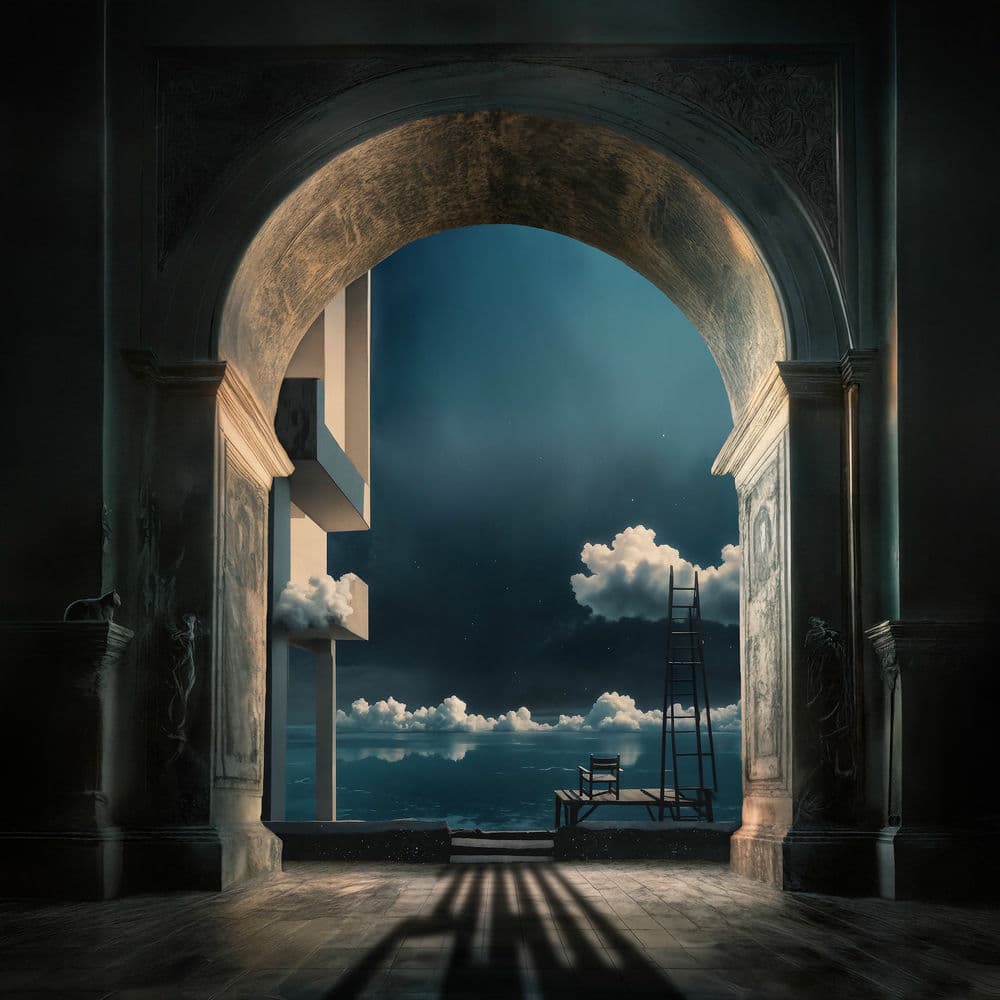
1) TL;DR Bahram is a feverish Persian love lament that fuses classical imagery with modern desperation. The speaker, caught between devotion and delirium, addresses a beloved named Bahram as a beautiful calamity. He confesses his madness, recites nightly prayers to the moon, and wrestles with the paradox of a lover who is both enchanting fairy and distant stranger. The song’s circular structure—repeating incantations and unanswered questions—creates a hypnotic trance, leaving the listener suspended between rapture and ruin. 2) Main themes - Devotion as Self-Loss: The speaker offers his life and soul ("جان" and "جانان") as tribute, erasing himself before the beloved’s radiance. Love here is not mutual exchange but total surrender. - Beauty as Danger: Bahram is painted as a fairy-like enchantress ("پری افسون گر") and a calamity ("آفت دلها")—a beauty that wounds, a grace that devastates. The song insists that the same hand that adorns also harms. - Silence and Secrecy: The lover’s silence is a recurring wound. The speaker confesses, "نداری خبر از من" (you have no news of me), highlighting a one-sided intimacy where the beloved remains unaware or indifferent. - Nightly Confession: The moon becomes the only witness to hidden truths. Each night, the speaker unveils his secret to the sky, turning the cosmos into a confessional booth. - Paradox and Ambiguity: The repeated "اما" (but) lines create a chain of contradictions: the beloved is both life and legend, both close and alien. The song thrives on these unresolved tensions. 3) Story / speaker The narrative is a first-person confession, not a plot. The speaker is a "دیوانه" (madman) and "سرگشته" (wanderer) whose identity dissolves in the beloved’s presence. He begins by praising Bahram’s beauty in classical terms—comparing him to moon and rose—then shifts to personal anguish: he is crazy, lost, and unheard. The story’s arc is circular: praise, pain, plea; praise, pain, plea. There is no resolution, only the ritual of repeating devotion and questioning the beloved’s motives. The speaker’s agency is minimal; he is acted upon by love’s calamity, begging for attention while acknowledging his own erasure. 4) Key metaphors & imagery - Moon and Rose: The beloved is "از ماه و گل زیبا تر" (more beautiful than moon and rose), invoking classical Persian tropes of celestial and floral perfection. - Fairy (پری): The lover is an "افسون گر" (enchanter), a supernatural being whose allure is bewitchment, not mere attraction. - Calamity (آفت): The address "ای آفت دلها" and "ای آفت جانها" reframes love as a plague or disaster, a destructive force that visits hearts and lives. - Nightly Prayer: "هر شب که مه در آسمان گردد عیان دامن کشان" suggests the moon appearing like a figure drawing its skirt aside, revealing itself. The speaker tells the moon his "راز نهان" (hidden secret), turning the sky into a silent confidant. - Journey and Loss: "سرگشته" (wanderer) and "دیوانه" (mad) map an inner geography of disorientation. The speaker is lost not in space but in the emotional labyrinth of unrequited devotion. - Life and Soul: The pairing "هم جان و هم جانانه" plays on the word "جان" (life/soul) and "جانان" (beloved), fusing self and other until identity blurs. 5) Mystery / subtext - The Beloved’s Gender and Identity: The name Bahram is traditionally masculine, yet the lyrics use feminine-coded imagery ("پری," fairy). This ambiguity may be intentional: the song’s addressee could be a poetic figure, a spiritual beloved, or a stylized persona that transcends gender. The mystery deepens the song’s universality. - The Moon as Witness: Why confess to the moon? The subtext suggests the beloved is unreachable, so the speaker turns to a distant, indifferent celestial body. The moon’s silence mirrors the lover’s silence; both are beautiful, remote, and unresponsive. - The Calamity’s Purpose: The repeated questions—"دیوانه ام خواهی چرا" (why do you want me mad?)—imply a cruel game. Is the beloved intentionally seducing and abandoning, or is the speaker projecting his obsession onto an innocent figure? The lyrics never clarify, leaving the listener in the shadow of doubt. - The Secret (راز نهان): What is the hidden secret? It could be the speaker’s love itself, which must remain secret because it is unrequited. Or it could be a deeper truth about the beloved’s nature—perhaps the beloved is not real but a dream, a myth, a projection of longing. - The Loop of Madness: The song’s repetition mirrors obsessive thought. The speaker is trapped in a cycle: praise, pain, plea. The subtext is that madness is not a one-time event but a loop the speaker cannot exit unless the beloved responds. Since the beloved remains silent, the loop continues indefinitely. 6) Emotional tone & mood The mood is feverish, devotional, and melancholic. The tone swings between ecstatic praise and desperate accusation, yet the music (in the listener’s imagination) likely carries a hypnotic, trance-like quality. There is a sense of night, moonlight, and solitude—an intimate confession in an empty room. The emotional core is longing that borders on delirium, where beauty and pain are indistinguishable. The repeated "اما" creates a mood of unresolved tension, as if each line is a step toward a truth that never arrives. 7) Notable lines - "سیمین بری گل پیکری آری" – A classic Persian compliment, silver-skinned and rose-bodied, establishing the beloved’s idealized beauty. - "دیوانه رویت منم" – I am mad from your face, a direct confession of love-induced insanity. - "هر شب که مه در آسمان گردد عیان دامن کشان / گویم به او راز نهان" – Each night when the moon appears, I tell it my hidden secret, turning the sky into a silent witness. - "هم جان و هم جانانه ای اما" – You are both my life and my beloved, but… the "but" hangs, suggesting the beloved is simultaneously everything and nothing to the speaker. - "ای آفت دلها" and "ای آفت جانها" – Addressing the lover as a calamity to hearts and souls, encapsulating the song’s central paradox: love as both grace and disaster.