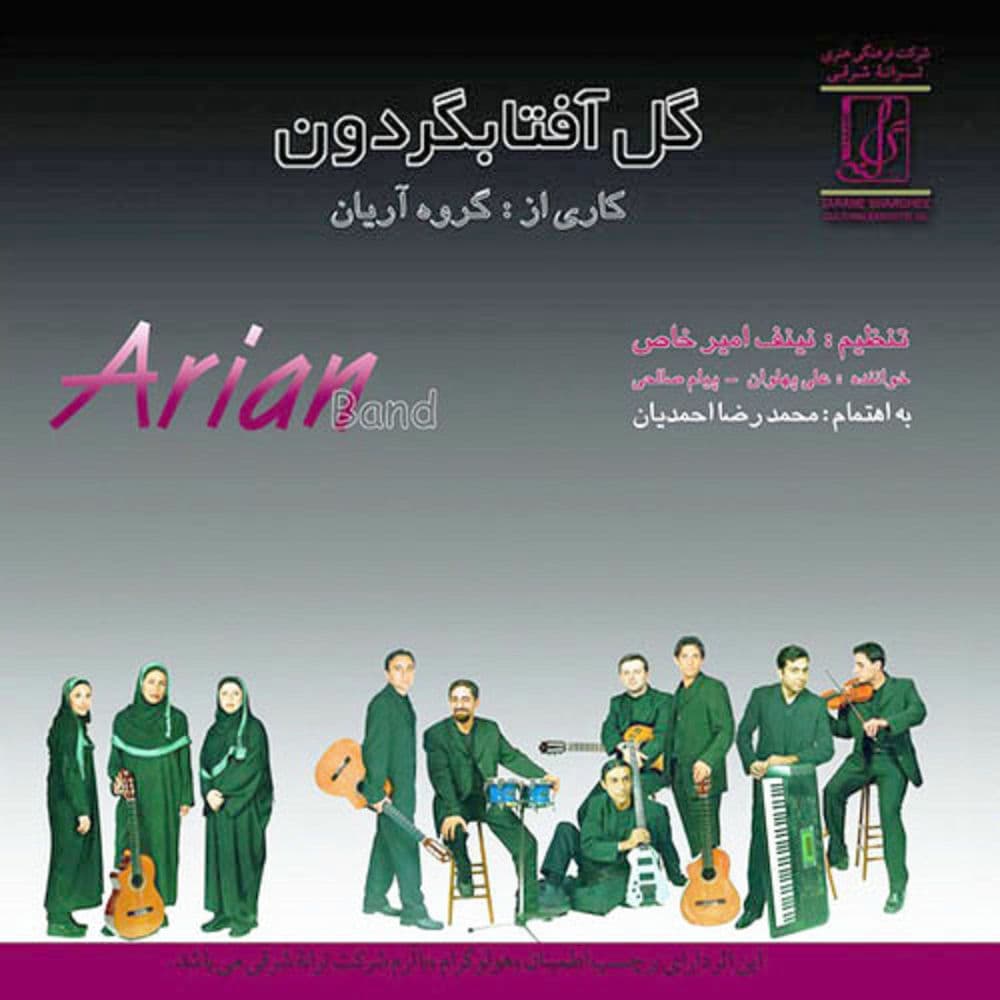
TL;DR: "Farda Male Mast" is a gentle, hopeful Persian pop song that uses nature imagery to convey a message of renewal and collective future. The singer addresses a flower, asking it to call lonely creatures, and declares that with the flower, winter turns to spring and tomorrow belongs to everyone. The repeated refrain "tomorrow is ours" reinforces a shared optimism and invites listeners to open windows to tomorrow. Main themes: - Hope and renewal: The song emphasizes the transformation of winter into spring, symbolizing the cycle from hardship to ease and the possibility of positive change. - Empathy and calling: The speaker asks the flower to summon solitary beings, showing care for those who are isolated and vulnerable. - Collective future: The phrase "tomorrow is ours" asserts shared ownership of the future, fostering a sense of community and solidarity. - Nature as metaphor: The use of fish, dew, pigeon, and bud illustrates fragility and beauty, grounding the song's message in natural imagery. - Openness to tomorrow: Inviting to open windows and call seedlings represents embracing new opportunities and perspectives. - Life cycles: Contrasts between loneliness and togetherness, winter and spring, cold and warmth reflect the inevitable cycles of life. What the speaker is saying: The singer directly addresses a flower, asking it to call the lonely fish in a glass vase, the dew on a white petal, the pigeon sitting under the rain, and the solitary bud in a pot. This act of calling highlights attention to small, vulnerable aspects of life. The singer then tells the flower that with its presence, this winter becomes spring, and when the flowers smile, tomorrow is ours. The repeated line "Say, O flower, that this winter with you is spring" becomes a mantra that underscores the flower's power to bring change. The speaker then invites the listener to open the windows facing tomorrow and to call the seedlings in the blue sky so that the sky fills with moon and stars. This progression from calling specific creatures to opening windows and calling seedlings shows an expansion from the individual to the collective, from the micro to the macro. The song culminates with the repeated chant "tomorrow is ours," delivering a sense of triumph and shared destiny. Alongside hope, images of loneliness and confinement (the fish in a vase, the bud in a pot) create a tension that suggests hope requires acknowledging pain and isolation. The ambiguity of the flower—whether it is a person, a lover, or a symbol of hope—adds depth and invites multiple interpretations. Key metaphors & imagery: - Fish in a glass vase: Represents loneliness and fragility; the fish trapped in a limited, transparent environment symbolizes emotional confinement and the need for release. It may also reflect inner feelings that appear calm on the surface but are painful underneath. - Dew on a white petal: Symbolizes ephemeral beauty and tenderness; the morning dew that quickly evaporates stands for pure, fleeting moments of joy and the transient nature of life. - Pigeon under the rain: Illustrates vulnerability in harsh conditions; the pigeon sitting in the rain seeks shelter and represents those who need protection during difficult times. - Bud in a pot: Signifies potential growth within constraints; the unopened bud waiting for the right moment to bloom embodies hope for future blossoming when conditions improve. - Winter and spring: The cycle of nature that moves from hardship to renewal; winter stands for problems and coldness, spring for rebirth and warmth, reflecting the inevitable rhythm of life. - Smiling flowers: A sign of hope and the onset of change; the smile of flowers heralds the arrival of spring and conveys joy and anticipation. - Windows facing tomorrow: Symbolize openness to the future; opening these windows means welcoming new opportunities and shifting one's perspective toward what lies ahead. - Seedlings in the blue sky: Messengers of good fortune; seedlings that travel with the wind represent hopes that rise and spread, connecting the earth to the sky. - Moon and stars in the night sky: Embody dreams and grand aspirations; filling the sky with celestial bodies reflects the vastness of hopes and the beauty of the night. Emotional tone & mood: The song is delivered with a soft, uplifting tone that balances melancholy and optimism. Images of loneliness and vulnerability are present, yet the overarching message is one of transformation and shared hope. The emotions conveyed include hope, empathy, and joyful anticipation of spring. The repetition of "tomorrow is ours" fosters a collective spirit and invites listeners to join in a shared vision of a brighter future. The musical arrangement—likely gentle, rhythmic pop—supports this mood, creating an atmosphere of calm and encouragement. The contrast between cold imagery (winter, rain) and warm imagery (spring, smiling flowers) adds emotional depth and reinforces the song's central theme of change. Notable lines: - «صدا کن ماهی تنهای توی تنگ بلور رو» — "Call the lonely fish in the glass vase." This line asks the flower to reach out to isolated beings, emphasizing care for the vulnerable. - «بگو ای گل که دوباره این خزون با تو بهاره» — "Say, O flower, that this winter with you is spring." It highlights the flower's power to turn hardship into renewal. - «وقت لبخند گلهاست بگو فردا مال ماست» — "When flowers smile, say tomorrow is ours." This refrain expresses collective hope and shared ownership of the future. - «بیا و پنجره های رو به فردا ها رو وا کن» — "Come and open the windows facing tomorrow." An invitation to embrace new opportunities and look ahead. - «توی آسمون آبی قاصدک ها رو صدا کن» — "Call the seedlings in the blue sky." A call to summon messages of hope that travel with the wind. - «بگو تا آسمون امشب پر شه از ماه و ستاره» — "Say so that tonight the sky fills with moon and stars." A wish for dreams to illuminate the night. Cultural/context notes: Not clear from lyrics. SEO: Suggested page title: Deep Analysis of "Farda Male Mast" by Arian Band Meta description: In-depth analysis of the song "Farda Male Mast", exploring themes, metaphors, and emotional tone of this uplifting Persian pop track. SEO keywords/tags: Farda Male Mast, Arian Band, song analysis, hope, renewal, Persian pop, metaphors, emotional tone, lyrics meaning, Iranian music, spring, future, collective hope, empathy, nature imagery, life cycles, transformation, uplifting, pop song