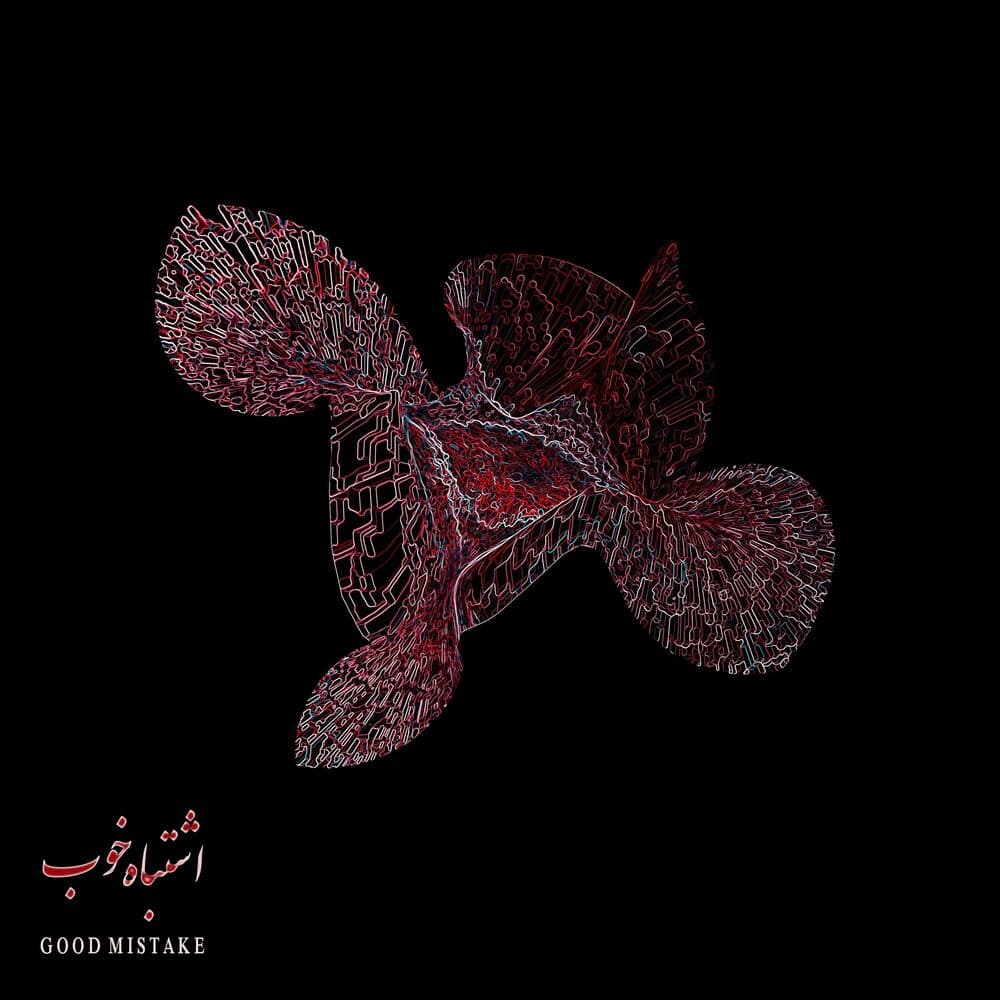
TL;DR NIAZ’s "Bahram" is a raw, urgent plea wrapped in a manifesto of conflict. The speaker, haunted by a self-imposed struggle, begs a specific person to return and engage in this "war." The song explores the paradox of finding meaning and identity through pain, framing a toxic relationship as a necessary battle for survival. It’s a dark dance between the desire for peace and the addiction to chaos, where the speaker reveals they are a product of a sick society, yet still dares to hope for a connection that understands their disease. Main themes The central theme is the romanticization of struggle. The speaker doesn't seek to end the conflict but to share it, turning personal trauma into a binding ritual. There is a profound tension between the need for isolation and the desperate hunger for a witness to one's pain. The song also tackles the theme of identity as a construct: the speaker is a "product of society's brain," yet fights for a "change of mind" rather than superficial change. It is a critique of the culture of suffering that defines the speaker's existence, while simultaneously admitting an inability to live without it. Story / speaker The narrative is a monologue directed at an absent lover or partner. The speaker positions themselves as a warrior born of a specific "city of hurt" (Herat) and a lineage of mistakes. They are self-aware of their own toxicity, describing their mindset as "sick" yet "pure" and "interesting." The arc moves from introspection about their origins to a direct, repetitive demand for the other's return. The speaker is not asking for rescue or healing; they are asking for a partner in crime, someone who can "understand this disease." The story is cyclical, mirroring the addiction to the conflict they describe. Key metaphors & imagery The most recurring image is the "fight" or "war" (جنگ). This is not literal violence but a metaphor for intense emotional engagement, a power struggle that gives the speaker a sense of life. The "cage" (قفس) represents the corner of sorrow where the speaker builds value out of their misery, suggesting a prison of their own making. The imagery of the "river" and the "dead fish" is a stark metaphor for the cycle of life and the finality of certain losses; the water may return, but the specific fish is dead, implying that some things cannot be revived despite the natural flow of time. The speaker is a product of the "brain of Herat," a metaphor for being shaped by a specific, perhaps wounded, cultural history. Mystery / subtext The mystery lies in the nature of the "disease" (بیماری). It is never named, allowing it to represent addiction, mental illness, or a toxic dependency. The ambiguity of the relationship is crucial: the speaker wants to fight, yet pleads not to be left alone. This suggests the fight is a proxy for intimacy; they fear silence more than conflict. The line "This time it was your turn" implies a cyclical pattern of abuse or argument where roles are rotated. The subtext is that the speaker is terrified of peace, as it would strip away the identity they have so carefully constructed from their "misfortunes." Emotional tone & mood The tone is feverish, desperate, and volatile. It oscillates between confident, almost proud declarations of their hardened nature and vulnerable, pleading requests for return. The repetition of "برگرد" (come back) creates a hypnotic, obsessive rhythm that mirrors the speaker's fixation. There is a mood of claustrophobia—the world is a cage, the mind is a battlefield, and the only escape is deeper into the conflict. It feels like the late-night phone call of someone on the edge, simultaneously pushing away and pulling in. Notable lines "I build value from my misfortunes" — A stark admission of finding self-worth in suffering. "I am alive with the fight" — The core thesis of the song: life is conflict. "The river water will return one day, but this fish is dead" — A poetic acceptance of irreparable loss amidst the illusion of renewal. "I want someone to fight with" — The simple, brutal summary of the speaker's need for connection.