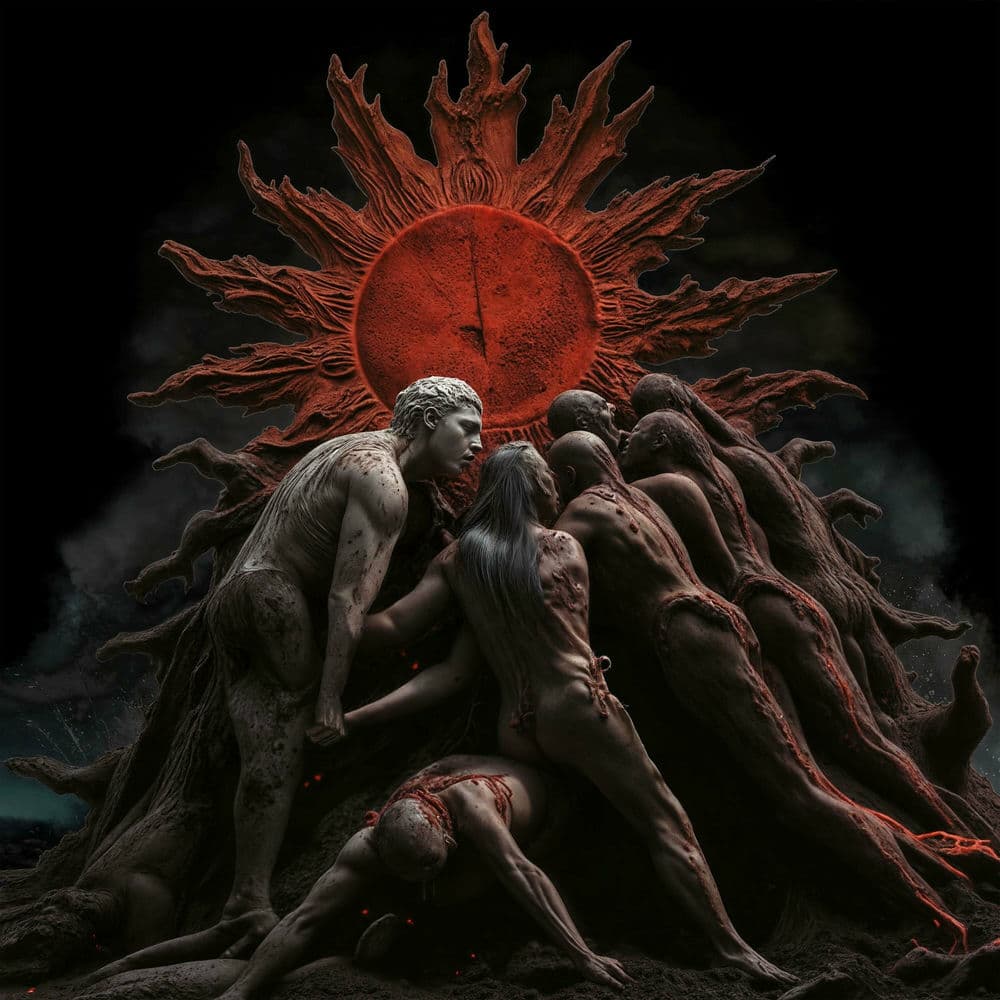
TL;DR "Khoone Khorshid" (The Sun's Blood) is a dense, politically charged Persian rap song that paints a bleak yet defiant portrait of a society under oppressive rule. Through fragmented, surreal imagery, the speaker documents systemic violence, moral decay, and the commodification of struggle, while ultimately asserting an unbreakable promise of resistance and hope. Main themes The central themes are oppression and systemic injustice, the weaponization of power (state, economic, media), the cost of silence versus the necessity of rebellion, and the persistence of hope amid despair. It critiques authoritarianism, the hollowing out of public discourse, and the exploitation of the vulnerable. A crucial undercurrent is the tension between individual agency and collective fate, urging the listener to reclaim their voice and body from the machinery of control. Story / speaker The speaker is a witness-poet, a chronicler of a fractured reality. They move from observing specific, haunting images (a drop from the ceiling, a reflection of prison in eyes) to diagnosing broad societal ills (winter killing warmth, the poor used as pawns). The narrative arc is not linear; it is a collage of suffering, corruption, and awakening. The speaker’s role shifts from observer to instigator, urging the listener to break free from fear and complicity. The promise repeated in the chorus—"I promise you we won't disappear"—anchors the speaker as a voice of collective defiance. Key metaphors & imagery - The eye as a mirror of the world: "a drop fell from the ceiling of your gaze" and "a large gathering of humans in your eyes" suggest the eye is a site where social reality is reflected and internalized. - Winter and cold: "The army of cold killed your tear" and "winter and the treeless body" symbolize a political climate that extinguishes emotion and life. - The gun and cradle: "The birth of the free embryo in the gun’s cradle" is a striking paradox, implying that freedom is born from violence and struggle. - The marketplace of power: "They sell locks of gold from corpses" and "for the price of ransom" depict a system that monetizes death and security. - The body as a banner: "He makes a placard from his body" and "a tribune from his hair" symbolizes the physical cost of protest and the body as a site of political speech. - The chessboard without pieces: "This chessboard without pieces" evokes a rigged game where moves are illusory and power is arbitrary. Mystery / subtext The song is rich in coded language and allusions. The phrase "the blue girl, the flame of oppression" likely references real-life protests and the martyrdom of women, but the lyrics keep it symbolic, allowing it to stand for any act of defiance against tyranny. The recurring motif of eyes and reflections suggests that the prison is not just physical but psychological—internalized oppression. The line "the moon's blood on the tablecloth" is a surreal image of poverty and sacrifice, turning celestial imagery into domestic tragedy. The final verses hint at a future reckoning—"we will make our mourning into a holiday"—suggesting that grief will be transformed into revolutionary joy. Emotional tone & mood The tone is urgent, defiant, and somber. It balances despair with a steely resolve. The mood shifts from claustrophobic (prison, winter, locked doors) to explosive (the mine detonating, the body becoming a banner). There is a palpable anger at injustice, but also a deep, almost sacred commitment to change. The repetition of the promise creates a mantra-like rhythm, instilling resilience. Notable lines - "The army of cold killed your tear" — a concise image of emotional suppression. - "The birth of the free embryo in the gun’s cradle" — a paradox that captures the violent genesis of liberation. - "He makes a placard from his body" — the ultimate act of embodiment in protest. - "We will make our mourning into a holiday" — a vow to turn grief into power. - "But in the end, we won't say 'what a pity'" — a refusal of regret and defeat.