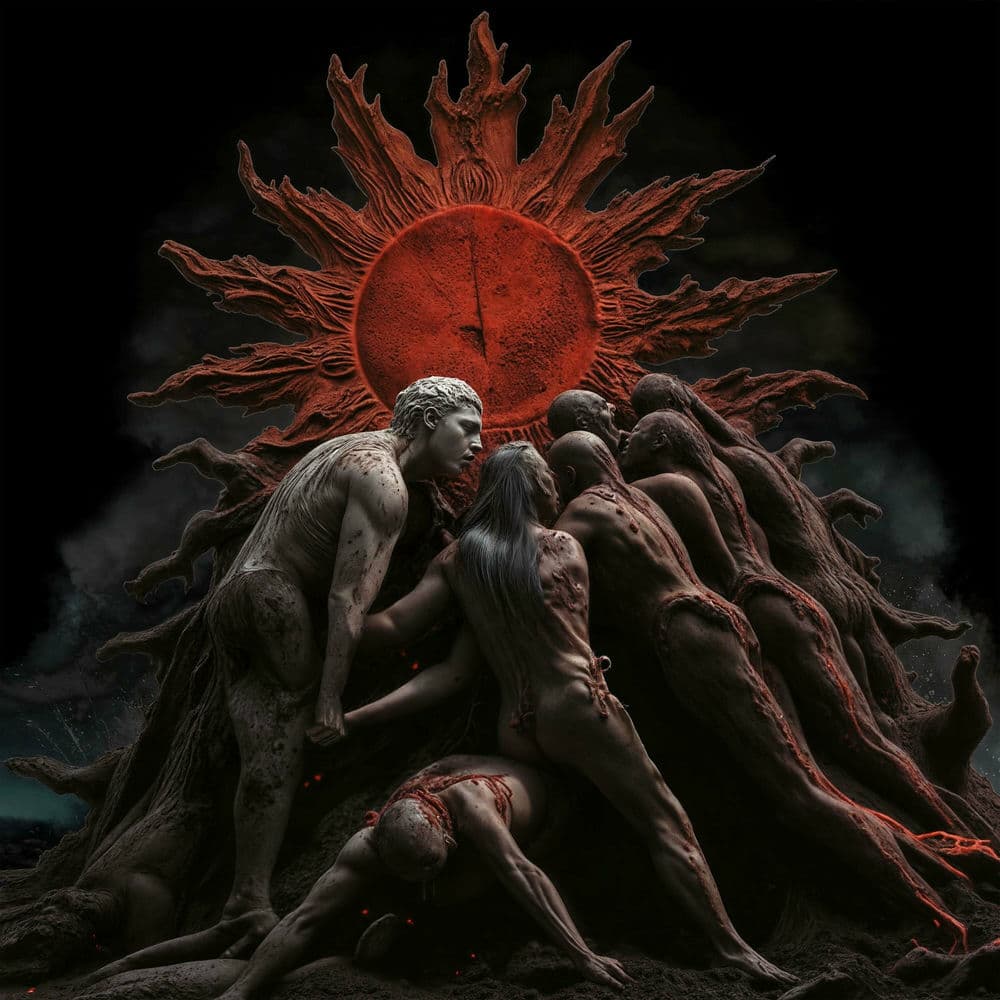
1) TL;DR Sangsar (The Stoning) is a harrowing, cinematic narrative that depicts a public execution by stoning, followed by a village’s descent into a predatory nightmare. The speaker, a detached yet visionary rider, watches a woman die, witnesses the crowd’s cold ritual, and then sees the consequences unfold as wolves—metaphors for opportunistic violence and hunger—slaughter the same community that just performed the ceremony. The poem moves from the stark desert to the village at night, where the stoning’s stones prove useless against real predators. In the end, the speaker ignites a small fire, observing the beauty of destruction with a chilling sense of aesthetic detachment. 2) Main themes - Collective violence and dehumanization: The crowd becomes a single, merciless entity that carries out a ritual killing, stripping the victim of humanity and reducing her to a target for stones. - The illusion of control: The village believes it can purge sin through ritual violence, but this act leaves them spiritually and physically vulnerable to greater chaos.- Predation and vulnerability: Wolves (literal and metaphorical) invade the village, exposing the community’s fragility and the fact that their moral performance did not protect them. - Aesthetic detachment and fatalism: The speaker watches, records, and ultimately ignites a fire, treating the tragedy as an unfolding scene of beauty, suggesting a fatalistic acceptance of inevitable cycles. - Silence and sound: Moments of silence punctuate the violence, emphasizing the shock and the ritual’s gravity; the howls and cries that follow signal the arrival of retribution and terror. 3) Story / speaker The speaker is a rider (savar) with a horse, present at the stoning but emotionally distant, observing details like a crow, a child, and the crowd’s movements. After the stoning, the village moves on, only to be attacked at night by wolves. The speaker watches the village burn, hearing the cries of mothers and the crunch of teeth, and then lights a small fire, watching the end’s beauty. The narrative arc is stark: ritual execution, false calm, nocturnal invasion, failed resistance, and the speaker’s final, quiet act of watching and igniting. 4) Key metaphors & imagery - Stones as judgment: The stones are not just rocks but the weight of communal condemnation, “accusing” the hands that throw them. - The crow: A watcher and omen, rising from bushes with an “ah,” signaling the presence of death and witnessing the breaking of bones. - The rider and horse: A mobile vantage point, a chronicler who moves through the scene but remains apart from its moral center. - Wolves: The invading force, literal and symbolic, representing hunger, chaos, and the return of the violence the crowd unleashed. - Fire: A final image of purification and destruction; the speaker’s small flame contrasts with the village’s burning homes, suggesting both control and indifference. - The desert and village: The open, indifferent desert gives way to the claustrophobic village, where violence turns intimate and the walls are dry and flammable. 5) Mystery / subtext - The speaker’s motives are ambiguous: Is he a witness, a poet, or a harbinger? His detachment raises questions about complicity and the ethics of observation. - The identity of the wolves: Are they literal animals, or a metaphor for the community’s own predatory nature returning to haunt them? - The child’s frozen heart: A symbol of innocence paralyzed by cruelty; the military man giving the child a tooth to throw introduces a disturbing initiation into violence. - The final fire: Is it a ritual of mourning, a cleansing act, or a cold aesthetic gesture? The beauty the speaker sees in the end suggests a complex, possibly troubling worldview. - The “small fire” versus the village’s burning: The speaker’s control over a tiny flame while the village is consumed may represent a private, artistic response to collective tragedy. 6) Emotional tone & mood The tone is stark, clinical, and ominous, with moments of surreal beauty. The mood shifts from the oppressive heat of the desert to the cold terror of the night invasion, ending in a detached, almost serene observation of destruction. There’s a persistent undercurrent of dread and a sense of inevitability. 7) Notable lines - “سنگ ها دست ها رو سرزنش می کردن” — The stones blame the hands, suggesting the tools of judgment turning on the wielders. - “زمین گشنه خندید به خندقش” — The hungry earth laughs at its own ditch, a dark image of the ground as a devourer. - “شرح حال ما نبرد بود با پوچی” — Our story was a battle with emptiness, a philosophical confession of the crowd’s underlying void. - “یه آتیش کوچیک روشن کردم / و تماشا کردم زیبایی انتهارو” — I lit a small fire / and watched the beauty of the end, a chillingly aesthetic conclusion.