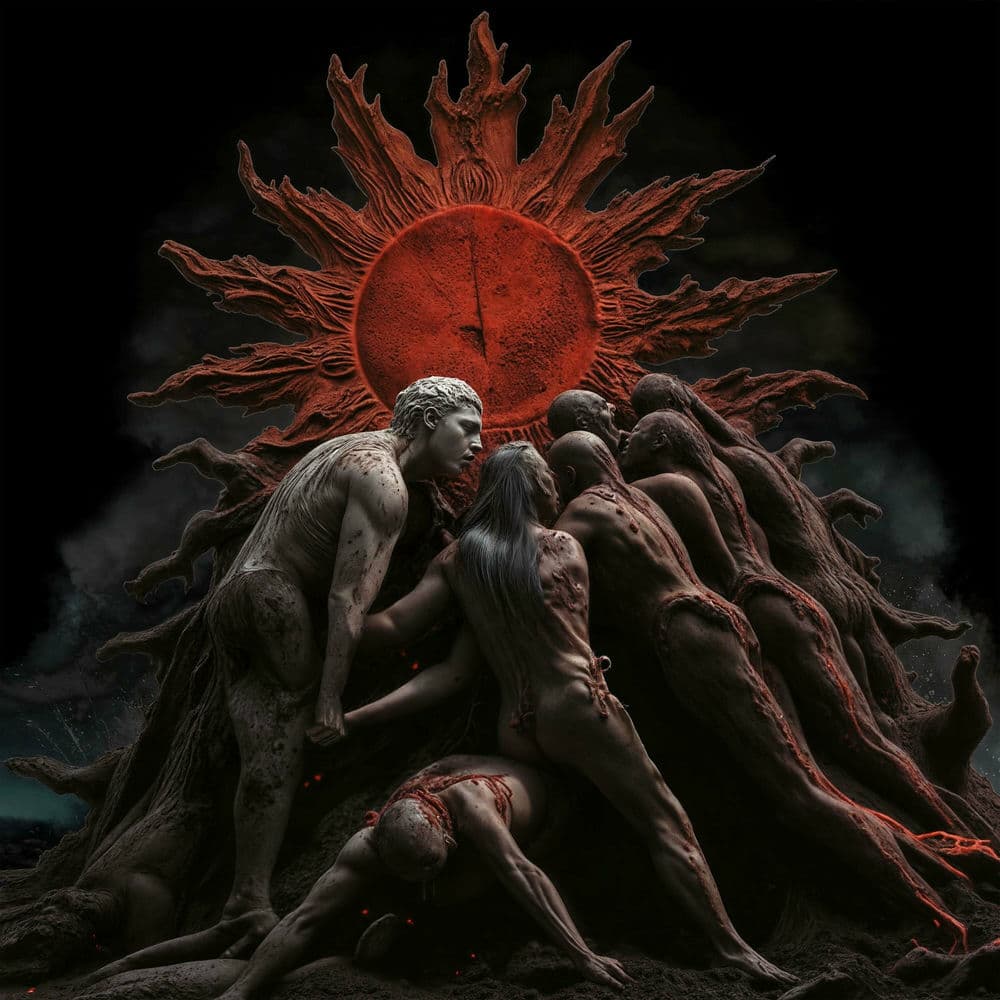
1) TL;DR Shere Bidari (The Awake Wolf) is a defiant urban fable about surviving in a predatory society, where the speaker embraces the label of a beast to resist moral decay. The song moves through a cycle of trauma, imprisonment, and fragile hope, arguing that awakening is a violent act of tearing off masks and speaking truth in a world that punishes honesty. It balances despair with a stubborn, almost spiritual self-assertion. 2) Main themes - Predation and survival: The city is portrayed as a food chain where civility is a liability. To exist without being devoured, one must sometimes adopt the ferocity of the predator. - Imprisonment and liberation: Concrete, bars, and social norms form a prison; the mind and voice are the only tools that can break the walls. - Awakening vs. delusion: The album/lyric theme of bidari (awakening) insists on distinguishing clear sight from hallucination and propaganda. - Memory and testimony: The speaker carries the duty to remember and narrate what happened, turning personal pain into a public archive. - Contradiction as identity: The self is presented as a collage of opposites—inside/outside, creator/created, alone/within the crowd—suggesting that integrity lies in accepting complexity. 3) Story / speaker The speaker is a survivor walking through a city that has become a ruin of ethics. He has been imprisoned, witnessed hangings, and watched scavengers feast on spectacle. He resists the urge to surrender by choosing to speak, plant seeds of truth, and dance even in the shadow of darkness. The narrative arc is cyclical: trauma returns, but each return is met with renewed defiance. The refrain about spring arriving cold and wounded reframes the season of renewal as a test rather than a cure. 4) Key metaphors & imagery - The sky with torn stars: A cosmos that has been damaged, implying that even the heavens are not safe. - The hanged body and the jackals: A public execution where the audience becomes a pack, turning suffering into entertainment. - Wolves and jackals: Wolves represent necessary, self-defensive ferocity; jackals stand for opportunistic, parasitic behavior. - The seed: Truth and hope planted in hostile soil, waiting for a freedom that is equal and open. - The prison’s bones: The architecture of oppression is brittle; human voice can fracture it. - Masks: Social disguises that hide complicity; tearing them off is an act of awakening. - Spring as ice: Renewal that is still frozen, suggesting that hope is present but not yet warm. 5) Mystery / subtext The song’s central ambiguity is ethical: is the speaker justifying violence or describing a survival mechanism? The line about being a wolf is not a confession of cruelty but a refusal to be a victim. The “nine billion humans” from whom he flees is hyperbole, hinting at a panic of conformity and surveillance. The image of whispering secrets to prostitutes suggests that truth is often banished to the margins, where the stigmatized become the only honest listeners. The final contradictions—creator and creature, inside and outside—create a mystical self-portrait of a person who contains multitudes, suggesting that the real prison is the demand for a single, clean identity. 6) Emotional tone & mood The mood is nocturnal and cinematic: cold streets, flickering hope, and the echo of footsteps. There’s a tense serenity—anger sharpened into focus. The tone moves from accusatory to confessional, then to meditative. The refrain injects a ritualistic pulse, turning pain into a chant that keeps the speaker awake. 7) Notable lines - “پرنده ای که پروازو بی اجازه پرید” (A bird that flew without permission hanged): Freedom punished as crime. - “درنده ها رو باید درید” (The predators must be torn): A call to confront predatory systems, not necessarily individuals. - “رازمو توی گوش فاحشه ها خوندم” (I recited my secret to prostitutes): Truth finds its sanctuary among the outcast. - “می خورم به پوچ، پا میشم که بدونم که زنده م” (I hit the void, I stand up to know I’m alive): Existence proven by resistance. - “تو این خاک مرده هر روز می رویه میله” (In this dead soil, a bar grows daily): Oppression as a living, daily sprout.